
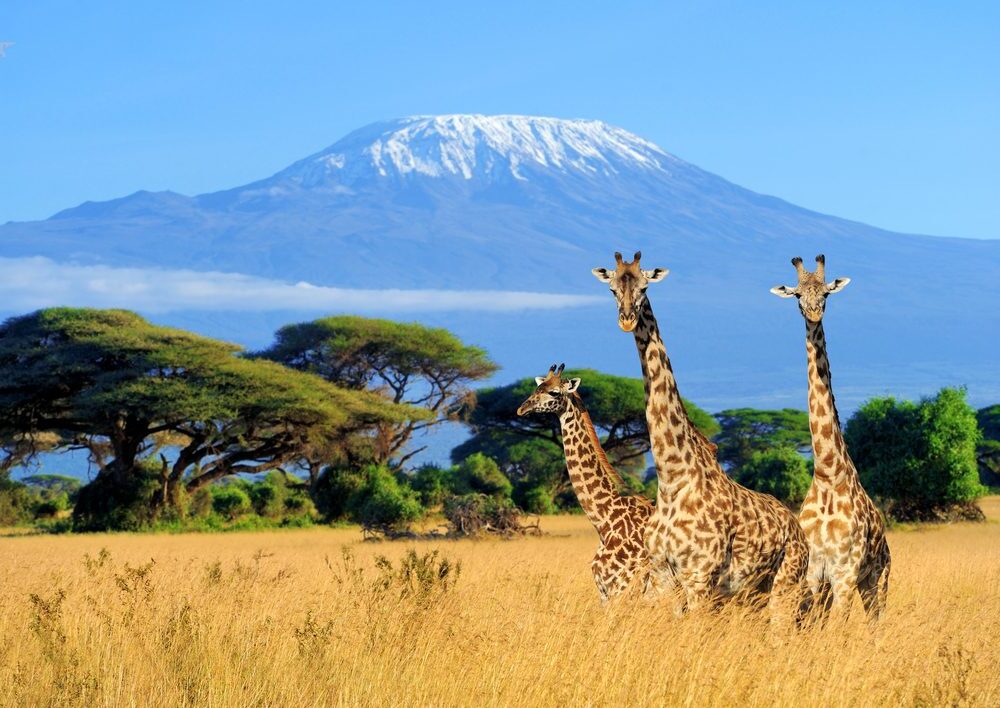
Kilimanjaro National Park is a protected area located in northern Tanzania, in East Africa. The park covers an area of about 1,688 square kilometers and is home to the tallest mountain in Africa, Mount Kilimanjaro. The park was established in 1973 to protect the unique ecology and wildlife of the region, and was designated a UNESCO World Heritage site in 1987.
The park is known for its diverse wildlife, including elephants, leopards, buffalo, and a variety of primates, as well as many species of birds and insects. The park also features a range of habitats, from lush rainforests to alpine meadows and barren volcanic slopes.
The main attraction of the park is, of course, Mount Kilimanjaro, which draws thousands of visitors every year. Climbing the mountain is a challenging and rewarding experience, and several different routes are available for hikers of varying skill levels.
In addition to hiking and wildlife viewing, visitors to Kilimanjaro National Park can also enjoy cultural tours to nearby villages and towns, where they can learn about the local Maasai and Chagga people and their way of life.
More about kilimajaro national park
During the colonial dominancy in Tanganyika, this is currently known as Tanzania, the British and the Germany demarcated the boundaries of the great Kilimanjaro game reserve then. In 1973, the park was established and Kilimanjaro national park initially comprised of the whole mountain. But then, mountain Kilimanjaro was still naturally congested with over six forest corridors upwards from the montane corridor.
However, in 1987, Kilimanjaro national park started getting threats from the humans living around, and the forest which acted as a buffer zone to separate the parkland from the local communities was no more. In 1995, a number of scholars from different universities in Europe such as oxford and Princeton were sent to conduct a study on the wildlife of the area, coming up with a good result of about 154 species of mammals. It was these findings from the students that alerted the international conservationist organizations about the protection of kilimajaro national park which was then being gradually encroached.
After sometime, in 2005, the world heritage committee proposed and recommended the area of the park to also be extended, and the boundaries of Kilimanjaro park where moved covering the whole of the mountain and the natural forest around the base of mountain Kilimanjaro. Currently, Kilimanjaro covers up an area of about 1688 square kilometers inhabited by diverse mammals and birds plus other wildlife species; it is the best adventure holiday destination in Tanzania.
Top Activities to do/see in Kilimajaro National Park
Birding
Kilimanjaro National Park in northern Tanzania is known around the world for its spectacular scenery, diverse wildlife, and challenging climbs up Africa’s highest mountain. However, it’s also a haven for birders, with over 180 species of birds recorded in the park. Whether you’re a seasoned birder or a beginner, Kilimanjaro National Park is a destination not to be missed.
The park is situated in the East African montane forest ecoregion, a unique habitat characterized by high rainfall, mist, and low clouds. This environment is home to a variety of bird species, including many that are endemic to the area.
One of the most sought-after birds in Kilimanjaro National Park is the Crowned Eagle. This large and powerful bird of prey is found in the forested areas of the park and is known for its distinctive black and white plumage. Other raptors that can be spotted in the park include the African Fish Eagle, Augur Buzzard, and Peregrine Falcon.
Nature walks
Kilimanjaro National Park in Tanzania is well-known for its iconic mountain and challenging treks to its summit. However, for those who prefer a more leisurely pace and want to explore the park’s natural beauty on foot, nature walks are a great option.
The park’s diverse ecosystems and unique flora and fauna provide an incredible backdrop for nature walks. A guide is recommended to help visitors navigate the trails and provide insights into the park’s ecology and wildlife.
One of the best areas for nature walks is the montane forest, which covers much of the park’s lower slopes. This forest is home to a variety of wildlife, including monkeys, antelopes, and over 180 species of birds. Visitors can also see a variety of unique plant species, such as giant heather and groundsel.
Nature walks and hikes
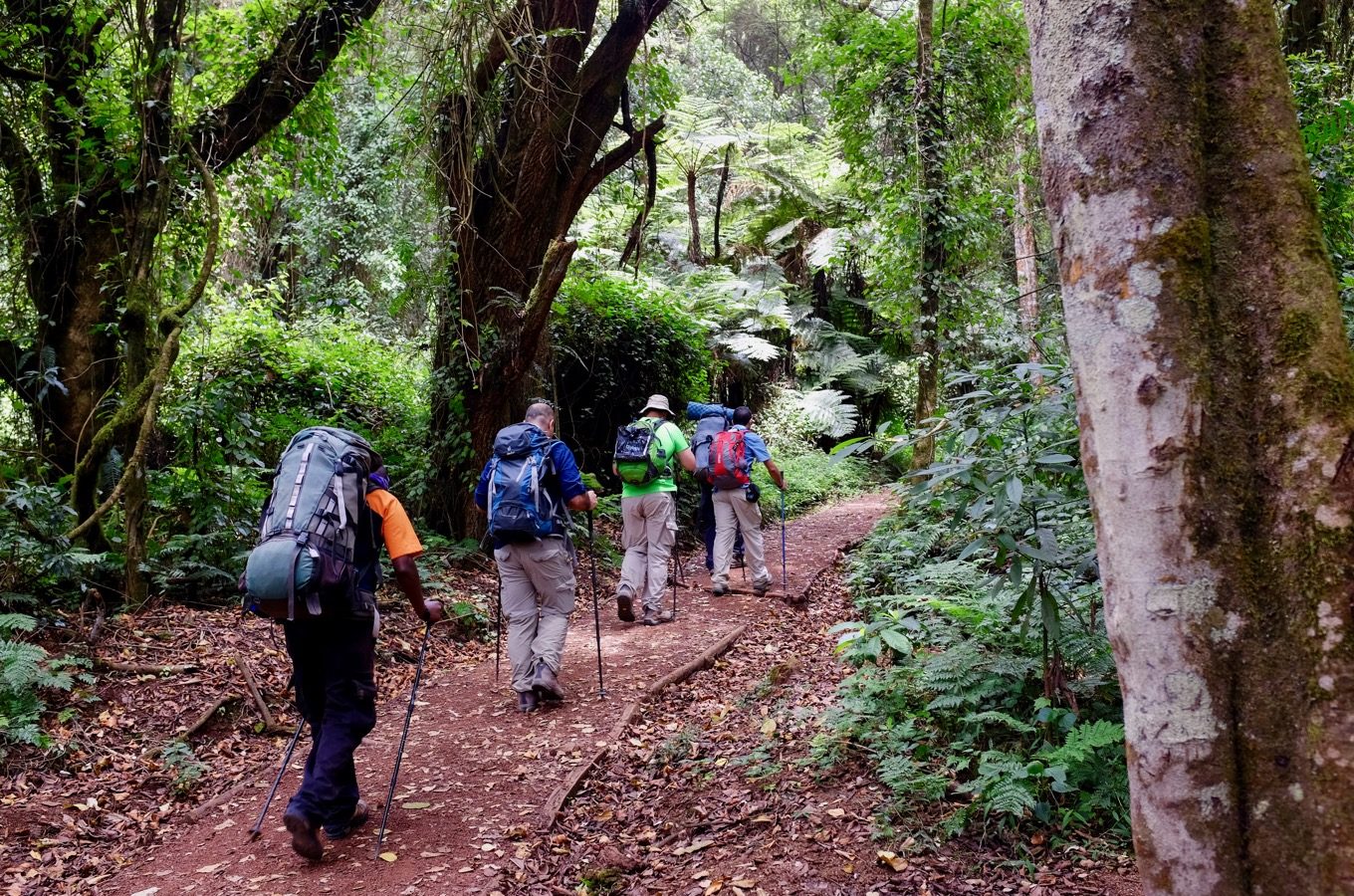
Kilimanjaro National Park is a popular destination for adventure enthusiasts, and camping is a great way to experience the park’s natural beauty and the thrill of the great outdoors. The park offers a variety of camping options, from basic campsites to more luxurious options with amenities like hot showers and comfortable beds.
Camping in Kilimanjaro National Park provides a unique opportunity to connect with nature and disconnect from the hustle and bustle of daily life. With no distractions, campers can fully immerse themselves in the park’s stunning scenery, whether it’s the dense forests, vast savannas, or breathtaking views of the snow-capped mountain.
One of the best things about camping in the park is the chance to see the wildlife up close. From playful monkeys and colorful birds to majestic elephants and buffalo, the park is home to a wide variety of species. The nighttime can be especially exciting, with the sounds of animals in the distance and the stars shining bright in the sky.
Camping in Kilimanjaro National Park requires a bit of preparation, as the weather can be unpredictable and temperatures can drop significantly at night. Visitors should come prepared with warm clothing, sturdy hiking boots, and a good quality sleeping bag. It’s also important to follow the park’s rules and guidelines to ensure a safe and enjoyable camping experience.
Cycling
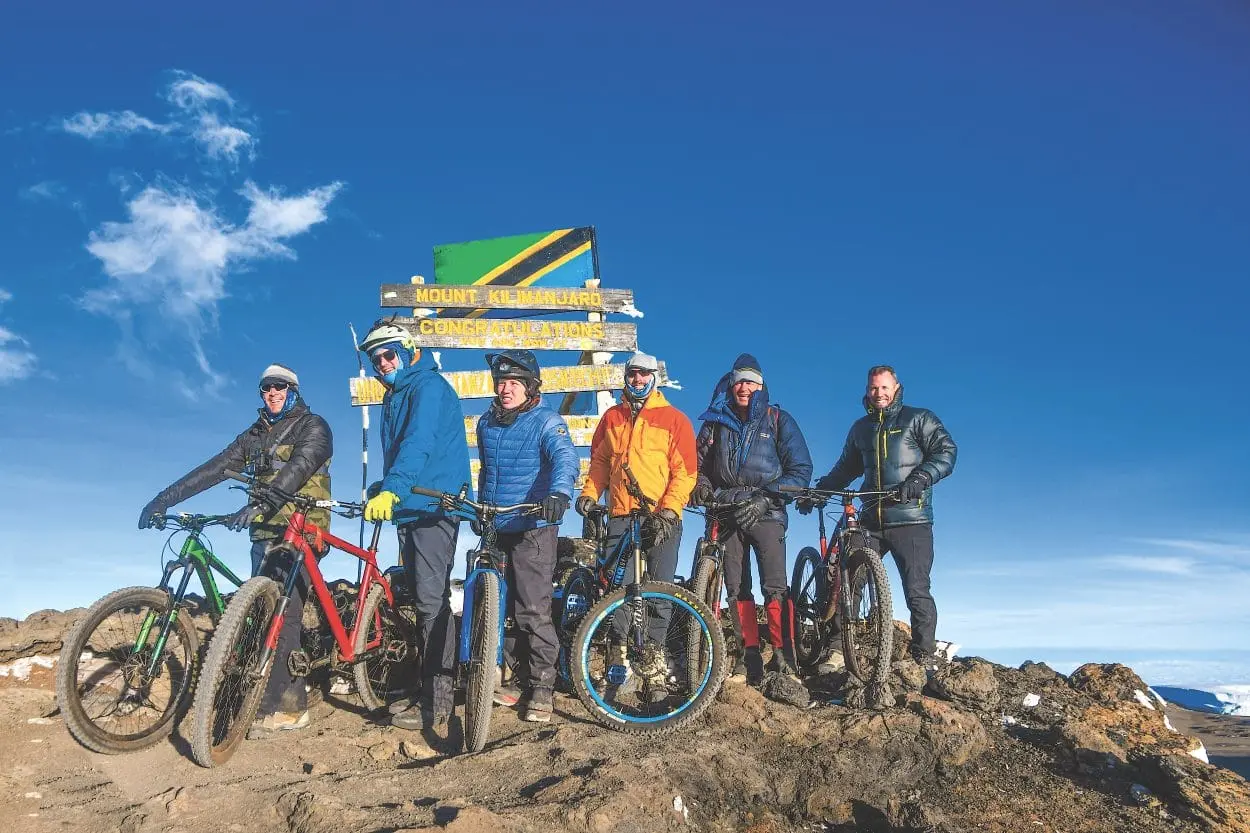
It’s important to note that cycling and mountain biking in Kilimanjaro National Park is only allowed in certain areas and with a professional guide who is knowledgeable about the park’s regulations and safety guidelines.
Cycling through the chaga farm lands and other areas of the park provides a unique way to explore the park’s natural beauty and wildlife up close. The park’s diverse landscapes, including dense forests, savannah, and high-altitude terrain, provide a challenging and rewarding experience for cycling enthusiasts.
It’s important to note that an additional fee is expected for hiring bikes and bicycles, and visitors should come prepared with proper safety gear, including helmets and other protective equipment. It’s also essential to follow the park’s rules and guidelines to ensure the safety of both visitors and wildlife.
In conclusion, cycling and mountain biking in Kilimanjaro National Park can be an exhilarating and memorable experience for those who love adventure and the great outdoors. However, it’s crucial to follow the park’s regulations and safety guidelines and to hire a professional guide who is knowledgeable about the park’s terrain and ecology.
Accommodation
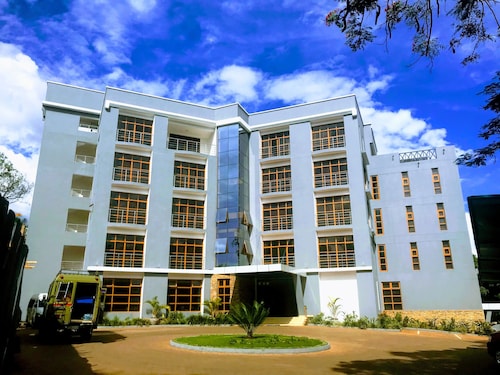 Kilimanjaro National Park is home to a variety of accommodation options to suit every budget and travel style. Visitors can choose from a range of lodges, tented camps, and campsites, all located in or near the park.
For those seeking a more luxurious experience, there are several high-end lodges and tented camps located in the park’s northern and western regions. These lodges offer amenities such as comfortable beds, hot showers, and gourmet dining options. Some of the more popular lodges include the Elewana Collection lodges, the Siringit Serengeti Camp, and the Four Seasons Safari Lodge Serengeti.
For those who prefer a more authentic and rustic experience, there are several tented camps and campsites located in and around the park. These options offer a chance to connect with nature and enjoy the park’s stunning landscapes up close. Some of the more popular campsites include the Simba Public Campsite, Kambi Ya Tembo, and Kilimanjaro Wonders Hotel.
No matter the accommodation choice, it’s important to book in advance, especially during peak seasons. It’s also essential to check the location and proximity to the park, as some lodges and campsites may require a drive to the park entrance. Contact us to visit Tanzania.